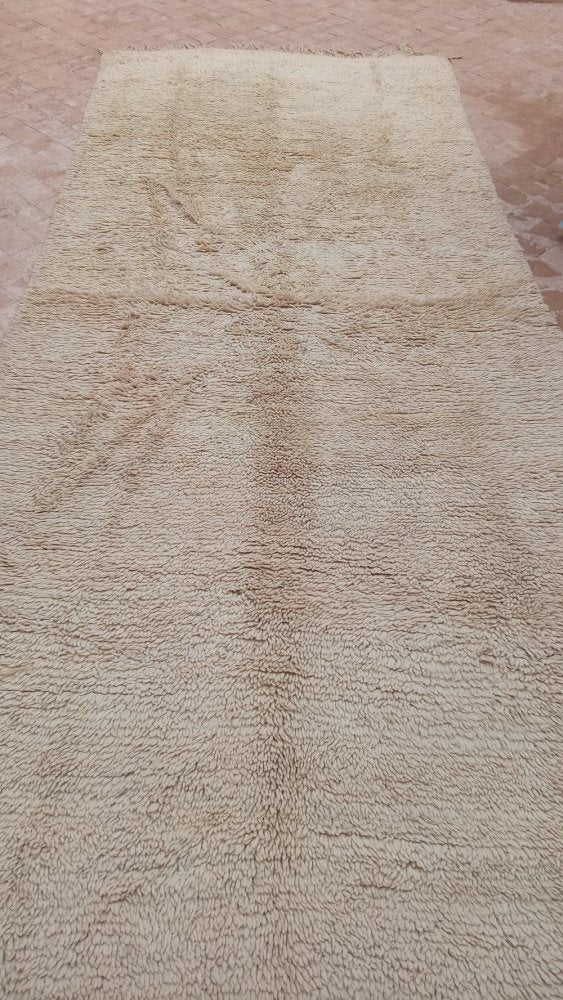

Small Space? How Moroccan Handmade Decor Makes Rooms Feel Bigger & Warmer
Small spaces can be tricky.
I know this not just as a seller, but as someone who grew up around homes where space was limited, but warmth was never missing. In many traditional Moroccan houses, rooms aren’t large. Yet somehow, they always feel welcoming, layered, and alive.
That’s not an accident.
Moroccan handmade decor has been shaped for centuries by real homes, real families, and real daily life — not by catalogs or trends. And that’s exactly why it works so well in small spaces today.
If you live in an apartment, studio, or compact home and want it to feel bigger and warmer without filling it with stuff, this guide is for you.
Why Small Rooms Often Feel Uncomfortable
Most small spaces don’t feel bad because of their size.
They feel bad because they’re empty in the wrong way.
-Flat walls.
-Cold lighting.
-Mass-produced decor with no soul.
I’ve seen many modern apartments where everything is “minimal,” yet the room feels unfinished — almost temporary.
In contrast, even the smallest Moroccan rooms feel intentional. That’s because every item has:
- a purpose
- a texture
- a story
And those three things change how space feels.
Texture Is What Makes a Room Feel Bigger

One thing Moroccan handmade decor does extremely well is texture.
When something is carved, painted by hand, or shaped slowly, it naturally creates shadows and depth. Light doesn’t just bounce off it — it moves across it.
That movement tricks the eye.
Instead of seeing a flat surface that stops your vision, your eyes keep exploring. And suddenly, the room feels deeper than it really is.
This is why:
- a hand-carved mirror frame
- a painted wooden piece
- or a textured wall accent
can make a small room feel more spacious than several flat, factory-made items.
💡You don’t need more decor — you need decor that actually adds depth.
Why Moroccan Mirrors Work So Well in Small Spaces

Mirrors are common advice for small rooms, but here’s something people don’t talk about enough:
The frame matters just as much as the mirror.
Many modern mirrors are frameless or metallic. They reflect light, yes — but they also feel cold.
Moroccan handmade mirrors usually have:
- warm tones
- rounded or arched shapes
- hand-painted or carved frames
These details soften the reflection. Instead of bouncing harsh light, they spread it gently.
In small spaces, that softness changes everything.
I’ve seen narrow hallways instantly feel wider just by adding one well-placed handmade mirror, without changing anything else.
💡A single mirror, when chosen well, can replace several decorative items.
Warm Colors Don’t Shrink Rooms — They Humanize Them

There’s a big myth in interior design that small spaces must be all white.
That’s not true.
What matters isn’t how light a color is — it’s how warm it feels.
Moroccan decor often uses:
- soft whites
- natural beige
- earthy clay tones
- muted blues and greens
These colors don’t fight the space. They support it.
They make a room feel lived-in, not staged.
When colors come from natural pigments and traditional methods, they reflect light differently. The result is a room that feels calm and welcoming instead of flat.
💡Warmth makes a space feel bigger because it makes you want to stay.
Handmade Pieces Are Better Sized for Real Homes

Here’s something I rarely see mentioned online:
Mass-produced decor is designed for large homes and showrooms.
Handmade decor is designed for people.
Traditional Moroccan homes often have:
- compact rooms
- shared living areas
- multifunctional spaces
That’s why many handmade Moroccan pieces are:
- visually rich but physically light
- detailed without being bulky
- decorative without overwhelming
This makes them perfect for apartments and small homes.
💡When decor is made for real life, it fits real spaces better.
Using Walls Instead of Floors

In small spaces, floor space is precious.
Moroccan interiors have always relied heavily on vertical decoration:
- wall mirrors
- hanging pieces
- tall, slim decor
This draws the eye upward, making ceilings feel higher and rooms feel more open.
Instead of filling corners with furniture, Moroccan design lets walls do the work.
💡Walls are often the most underused space in small homes.
Light, Reflection, and Atmosphere

Moroccan decor has a deep relationship with light.
Even without lanterns, handmade elements like:
- carved wood
- aged metal
- painted finishes
interact beautifully with warm lighting.
The light doesn’t feel sharp or artificial. It feels calm. And calm spaces always feel larger.
💡Warm light plus handmade texture is one of the simplest upgrades you can make.
Fewer Items, More Meaning
One of the most important lessons from Moroccan homes is this:
You don’t need many things — you need the right things.
When decor has meaning, it doesn’t clutter the space. It anchors it.
A single handmade piece with history will always feel richer than several trendy items that say nothing.
And in a small space, that difference is powerful.
Final Thoughts
Small homes don’t need to feel small.
With intentional choices, thoughtful textures, and handmade decor rooted in real tradition, even the tiniest space can feel warm, personal, and open.
Moroccan handmade decor works because it was never meant to impress — it was meant to be lived with.
And that’s exactly what small spaces need.
✨ A Quiet Invitation
If you’re drawn to decor that’s handmade, meaningful, and designed for real homes, explore pieces crafted slowly by skilled artisans — not factories.