
Authentic Cedar Mashrabiya Cost: Shipping, Alternatives & Outdoor Care
The True Cost of a Masterpiece: The Cedar Mashrabiya in the 21st Century
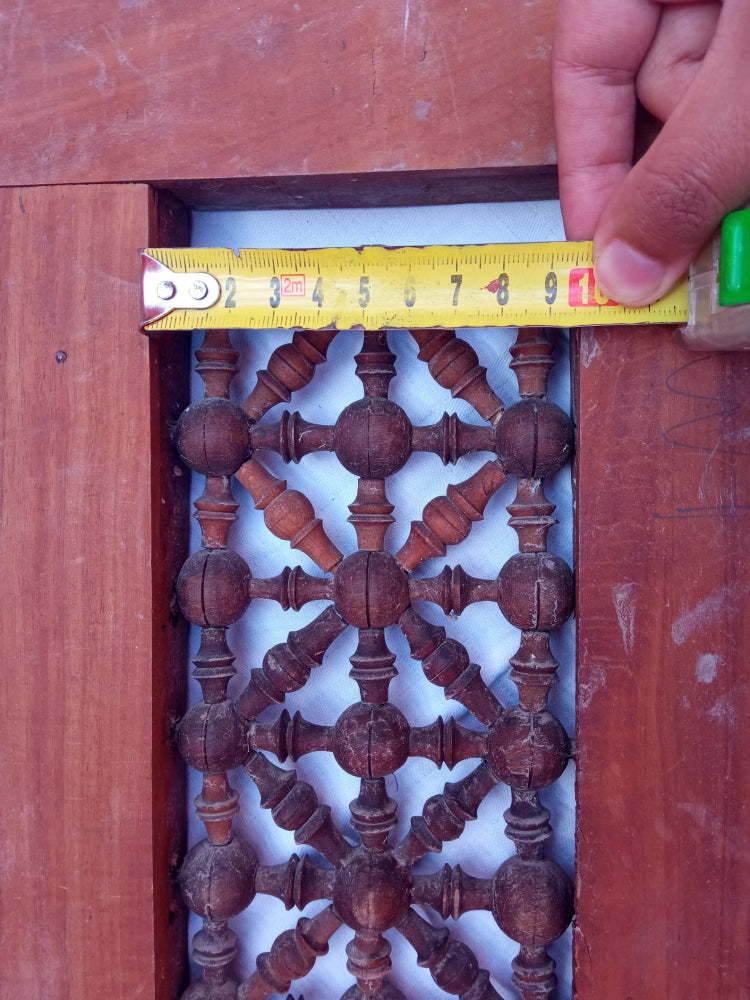
You can see it in a centuries-old Riad in Marrakesh or a high-end Mediterranean villa: the intricate, mesmerizing play of light and shadow created by a Mashrabiya panel. This traditional Moroccan lattice screen, meticulously hand-carved from aromatic cedar wood, is not just decor—it is a functional architectural legacy that manages privacy, filters intense light, and allows for natural ventilation.
However, as the global demand for Moroccan heritage woodworking grows, many collectors, architects, and interior design enthusiasts face a reality check. Why does a handmade cedar Mashrabiya cost so much to ship from Morocco to Europe or the USA, and what are the legitimate, affordable alternatives for an interior design project?
Part 1: The Economics of the Cedar Mashrabiya
If you are sourcing an authentic piece, several factors combine to make the final delivered price substantial.
1. The Rarity of Solid Moroccan Cedar Wood

Authentic Mashrabiya is crafted from solid, aged Moroccan cedar wood. This material is prized because its natural oils make it highly resistant to warping and pests. However, it is a protected resource with strict sustainable sourcing regulations. You are paying for a premium, non-industrial material that is legally verified.
2. Hand-Carved vs. CNC/Laser Cut Craftsmanship

The Mashrabiya technique is an entirely manual process. An artisan (Maâlem) spends weeks, sometimes months, hand-chiselling thousands of interlocking geometric pieces from raw wood. There is no automated shortcut in a traditional workshop. When you buy this, you are investing in the labor and specialized knowledge that has been passed down for generations.
3. The 'Volume vs. Weight' Challenge of Mashrabiya Shipping Costs

Shipping fragile, large-scale wood carvings globally is uniquely complex.
- The Problem: Shipping companies (like DHL or FedEx) charge you based on Volumetric Weight. A Mashrabiya panel is lightweight but takes up massive volume in a shipping container. You aren't just paying for the weight of the wood; you are paying for the empty space it occupies.
- Affordable option: for those who didn't have problem with time, there is other option which is EMS it takes (7-14 business days) charge you based on the weight of the wood but you can't exceed 30 kg Max
- Secure Crating: To prevent the delicate lattice from snapping during transit, the panel must be secured in a custom-built, heavy wooden crate. This adds to the cost and requires specialized handling. A 20kg panel might require a crate that weighs 30kg.
Part 2: Affordable Alternatives to Solid Cedar Wood
If your budget does not allow for a full sustainable cedar wood commission, or if you only need the aesthetic of the screen without its traditional function, there are modern alternatives.

Alternative 1: Sustainable Bamboo
Bamboo is an excellent, eco-friendly substitute for Mashrabiya screens, particularly for interior applications like room dividers or large feature walls. It mimics the light-filtering qualities of wood but grows rapidly and sustainably.
Alternative 2: CNC-Cut Plywood Panels (The Modern Echo)

For a project on a budget, high-quality plywood can be laser-cut (using CNC machinery) to replicate any intricate geometry. While it lacks the aromatic scent and deep patina of cedar, it is incredibly lightweight and allows you to achieve the look of a Riad facade at a fraction of the cost.
Alternative 3: Metal Screens for Maximum Durability
For a modern aesthetic, perforated aluminum or steel panels (often powder-coated to match the look of traditional bronze) can create a Mashrabiya effect. This is the ideal option for maximalist outdoor privacy screens or commercial spaces.
Part 3: How to Protect Your Mashrabiya in Mediterranean Climates
Once you have invested in an authentic piece of Moroccan heritage craftsmanship, you must protect it. If you are integrating a Mashrabiya into a Mediterranean villa as functional window screens or using them for an outdoor patio (as a Boho-chic privacy barrier), the elements—sun, salt air, and temperature swings—are your enemy.
Step 1: The Protective Sealer (Essential)
If the wood is raw (the best state for shipping), you must apply a dedicated high-quality, external wood sealer. Look for a matte, UV-resistant exterior polyurethane or marine-grade varnish. This provides a water-repellent and sun-screen barrier while retaining the wood's natural look.
Step 2: Install with Strategic Shade
Whenever possible, install your Mashrabiya with built-in architectural shade. Avoid positioning the delicate wood lattice where it will receive continuous, punishing, direct noon-day sun for years. This leads to cracking. Integrate the screen within a larger shaded facade, lintel, or patio roof structure.
Step 3: Semi-Annual Maintenance
A Mediterranean environment requires active stewardship. Inspect your Mashrabiya twice a year. If you see signs of the sealant breaking down or the wood drying out, lightly sand the area and apply a fresh, thin protective coat. This 30-minute task adds decades to its life.
Part 4: Additional Information for Designers

When planning a custom architectural project:
- Custom Geometric Motifs: Remember that Mashrabiya can be customized with thousands of specific pattern families (like geometric Islamic patterns or calligraphy). You aren't limited to one design.
- Scale: Consider the density of the lattice. A very dense pattern provides max privacy but restricts view; a looser pattern filters less light and allows more visibility.
Your Vision, Our Expertise: Customize Your Mashrabiya
At The Heritage Handmade, we bridge the gap between traditional Marrakchi Riads and modern Mediterranean luxury. If you are an architect, designer, or homeowner envisioning a unique architectural Mashrabiya, we specialize in managing the entire process.
From legally verified, sustainable Moroccan cedar sourcing to secure, insured, global shipping, we ensure your bespoke commission arrives safely in Europe or the USA.
[Visit Our Store: Start Your Custom Mashrabiya Project Today]
Let's Discuss
Integrating a Mashrabiya into a modern home is a powerful statement of global heritage and design. Whether you are prioritizing the unmatched scent and durability of cedar or exploring modern material alternatives, the effect is timeless.
What architectural application of Mashrabiya are you most interested in for your next project? We would love to hear your design ideas or answer your specific questions in the comments below.