
Unlocking the Secrets: The Profound Meaning Behind Amazigh (Berber) Symbols
Unlocking the Secrets: The Profound Meaning Behind Amazigh (Berber) Symbols
The Amazigh, also known as the Berber people, are celebrated for their rich cultural heritage and timeless artistry. At the heart of their tradition lies a powerful visual language: Amazigh symbols. These geometric motifs, carved into jewelry, painted on pottery, or woven into textiles, are far more than decoration — they carry deep meanings tied to freedom, nature, spirituality, and community.
Each symbol tells a story, reflecting centuries of philosophy, identity, and ancestral wisdom. In this article, we’ll explore the most important Amazigh symbols, uncover their meanings, and reveal how they continue to shape and inspire Amazigh culture today.
The Historical Significance of Amazigh (Berber) Symbols
The Amazigh people, also known as Berbers, have a history that stretches back thousands of years, rooted in the prehistoric landscapes of North Africa. Their symbols have always been more than decoration — they served as a visual record of experiences, beliefs, and social values. Found in ancient rock carvings, pottery, textiles, and jewelry, Amazigh symbols tell stories of survival, spirituality, and identity, offering a window into the lives of their ancestors.
One of the earliest examples comes from Saharan petroglyphs, carvings that date back millennia. These engravings depict hunting scenes, herding, and daily life, showing how vital nature and community were in early Amazigh society. Beyond their artistic beauty, these symbols carried meanings tied to protection, fertility, freedom, and connection to the spiritual world.
As centuries passed, Amazigh symbols evolved under the influence of neighboring civilizations such as the Phoenicians, Romans, and Arabs. Despite this cultural exchange, the Amazigh preserved their unique identity. A striking example is the Tifinagh alphabet — an ancient script still used today — which stands as proof of the community’s resilience and dedication to heritage.
The historical significance of Amazigh symbols lies not only in their beauty but also in their endurance. They embody the ingenuity of a people who adapted to harsh environments while preserving their traditions. These symbols are a testament to the strength, continuity, and spirit of Amazigh culture across thousands of years.
Common Amazigh (Berber) Symbols and Their Meanings
The Amazigh, also known as Berbers, have preserved their identity through a rich visual language of symbols. Among these, a few stand out for their widespread use and deep cultural meanings. These symbols are found in textiles, pottery, jewelry, and even body art, each carrying messages about freedom, spirituality, protection, and the natural world.
The Yaz Symbol (ⵣ) – Freedom and Amazigh Identity
One of the most recognized Amazigh symbols is the “Yaz” or “ⵣ”. This emblem, used in the Tifinagh alphabet, represents freedom and Amazigh identity. Today, it is a powerful symbol of resistance, unity, and cultural pride. For Amazigh communities, the Yaz is more than a letter — it embodies the unyielding spirit of liberation and the determination to preserve their heritage against centuries of external influence.
The Khamsa (Hand of Fatima) – Protection and Spiritual Security
Another widely used symbol is the Khamsa, also known as the Hand of Fatima. Traditionally worn as jewelry or hung in homes, the Khamsa is believed to protect against evil and bring blessings. For the Amazigh, it represents faith, security, and the importance of safeguarding both individuals and families from harm. Its lasting popularity highlights how spiritual protection is woven into daily life and community values.
Geometric Patterns – Fertility, Water, and Life
Beyond individual symbols, geometric motifs play a vital role in Amazigh art. Diamonds often symbolize fertility and womanhood, while zigzag patterns reflect water, renewal, and the flow of life. These recurring motifs in Amazigh textiles, pottery, and architecture express the community’s deep connection to nature and the cycles of existence.
Why These Symbols Matter
Understanding these Amazigh (Berber) symbols goes beyond aesthetics — they reveal a worldview rooted in freedom, spirituality, and harmony with nature. They continue to inspire modern Amazigh communities and remain powerful emblems of identity and resilience.
The Role of Symbols in Amazigh (Berber) Identity
Symbols are at the heart of Amazigh identity, acting as a visual language that preserves heritage and expresses values. Throughout history, North Africa has been dominated by empires and colonizers, yet the Amazigh maintained a distinct cultural presence through their unique symbols. These motifs not only communicate traditions and beliefs within the community but also serve as a powerful statement of resilience and continuity in a multicultural landscape.
Tifinagh Script – A Marker of Cultural Pride
One of the most important symbols of Amazigh identity is the Tifinagh script. This ancient alphabet, still used in inscriptions and modern writings, sets the Amazigh apart from other cultural groups. Today, Tifinagh is taught in schools and promoted in cultural revival movements, reinforcing the idea that language is central to identity. Its survival highlights the Amazigh commitment to preserving their history and affirming their pride in their heritage.
Symbols in Rituals and Ceremonies
Symbols also play a vital role in Amazigh rituals and life events, from birth and marriage to funerals. During weddings, for example, textiles and jewelry are often adorned with motifs that symbolize fertility, prosperity, and protection. These symbols are more than decoration — they connect individuals to their ancestors, their community, and the spiritual values that sustain Amazigh culture.
Preserving Amazigh Identity Through Symbols
By embedding symbols into daily life, art, and ceremony, the Amazigh ensure that their traditions are not only remembered but actively lived. These symbols act as bridges between generations, allowing cultural knowledge to be passed down while reaffirming a collective sense of belonging. In this way, symbols remain a cornerstone of Amazigh identity, resilience, and cultural pride.
The Connection Between Amazigh Symbols and Nature
For the Amazigh (Berber) people, nature is more than a backdrop — it is a source of life, inspiration, and spirituality. Living for centuries across the mountains, deserts, and coasts of North Africa, the Amazigh developed a deep respect for natural cycles. This relationship is reflected in their symbols and motifs, which often depict elements of the environment and embody values of harmony, resilience, and renewal. By weaving natural imagery into art, textiles, and daily rituals, the Amazigh affirm their interconnectedness with the world around them.
Water Symbols – Flow, Fertility, and Life
In Amazigh culture, water is sacred. In a region where water is scarce, motifs such as wavy lines and zigzag patterns symbolize rivers, rain, and fertility. These designs, seen in pottery, weaving, and tattoos, are more than decoration — they serve as reminders of the community’s dependence on water and its sustainable management. The repetition of water symbols reflects both gratitude and reverence for this vital resource.
Animal Symbols – Strength, Protection, and Spirit
Animals also hold symbolic weight in Amazigh art. The camel, central to desert life, represents endurance and survival under harsh conditions. Birds, by contrast, symbolize freedom, transcendence, and the link between the earthly and spiritual realms. By embedding animal symbols into jewelry, carvings, and fabrics, the Amazigh express admiration for nature’s creatures and the lessons they embody.
A Holistic Worldview Rooted in Nature
Through these symbols, the Amazigh reveal a worldview where humans, animals, and natural forces are deeply interconnected. Each motif reflects respect for the environment and recognition of its role in sustaining life. Even today, Amazigh nature symbols continue to inspire artisans and communities, reminding us of the timeless bond between culture and the natural world.
Amazigh Symbols in Art and Craftsmanship
Amazigh (Berber) art is world-renowned for its beauty, detail, and symbolic depth. From textiles and pottery to jewelry and architecture, Amazigh artisans use symbols not only as decoration but also as a visual language that preserves history, beliefs, and cultural identity. Each handmade object carries meaning, making Amazigh craftsmanship a living archive of tradition.
Textiles – Storytelling Through Patterns
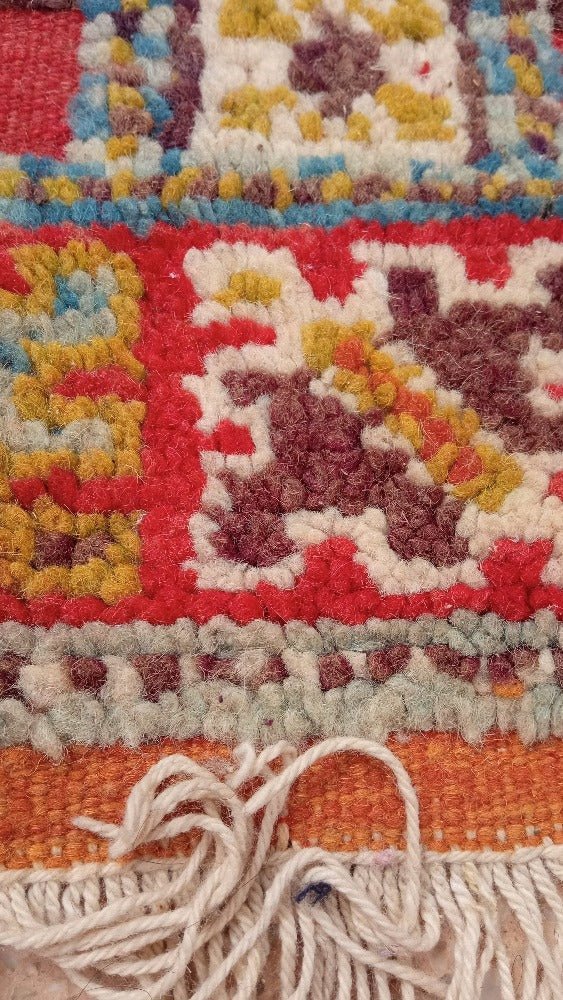
Handwoven Amazigh rugs and blankets are among the most celebrated art forms. Geometric patterns, diamonds, and zigzags often symbolize fertility, water, and protection, telling stories of the weaver’s life and community. Created using traditional techniques and natural dyes, these textiles connect deeply to the environment while ensuring cultural continuity. Every piece is unique, reflecting both personal identity and shared heritage.
Jewelry – Symbols of Protection and Identity
Amazigh silver jewelry is famous for its bold designs and symbolic motifs. The Khamsa (Hand of Fatima), triangles, and intricate geometric engravings are common elements. Worn during ceremonies and celebrations, these pieces serve as adornments, protective talismans, and markers of Amazigh identity. Jewelry-making requires exceptional skill, with artisans meticulously shaping and engraving each piece to preserve ancestral symbolism.
Pottery – Everyday Objects with Sacred Meaning
Traditional Amazigh pottery blends functionality with symbolism. Clay vessels often feature motifs linked to fertility, water, and spiritual protection. The process of making pottery — from gathering clay to firing finished pieces — is deeply communal, strengthening social bonds while passing knowledge between generations. Amazigh pottery remains a living tradition, embodying both craftsmanship and cultural resilience.
Symbols as a Living Heritage
Whether woven, engraved, or molded, Amazigh symbols transform ordinary objects into carriers of meaning. Through textiles, jewelry, and pottery, artisans ensure that their heritage continues to thrive, blending beauty with identity and spirituality.
The Influence of Amazigh Symbols in Modern Society
Today, Amazigh symbols remain deeply relevant, carrying cultural, political, and artistic significance. As Amazigh communities across North Africa continue to assert their identity and rights, these symbols have become powerful tools for both cultural revival and political activism. From protests to fashion runways, the enduring presence of Amazigh motifs reflects their timeless importance.
The Yaz Symbol – A Banner of Freedom and Activism
The Yaz symbol (ⵣ), representing freedom and Amazigh identity, has become a central emblem in modern activism. Frequently seen on flags, banners, and graffiti during protests and cultural events, it unites Amazigh movements advocating for linguistic and cultural rights. Its visibility in political contexts highlights its role as both a symbol of resistance and a rallying point for community pride.
Fashion and Design – Tradition Meets Modern Style
In recent years, fashion and design have embraced Amazigh motifs. Clothing brands, jewelry designers, and home décor artisans incorporate traditional symbols into modern creations, blending heritage with contemporary aesthetics. This trend has gained popularity not only within North Africa but also internationally, spreading awareness of Amazigh culture. By bringing ancient symbols into global fashion, designers celebrate identity while making it accessible to new audiences.
Education and Cultural Revival
Educational initiatives also play a key role in preserving and promoting Amazigh symbols. Schools and cultural centers increasingly integrate lessons on Amazigh history, Tifinagh script, and symbolic motifs into their curricula. Public murals, art projects, and textbooks featuring Amazigh symbols help younger generations build cultural pride. These efforts ensure that Amazigh heritage continues to thrive in a rapidly modernizing world.
A Bridge Between Past and Present
The continued use of Amazigh symbols in activism, fashion, and education proves their enduring relevance. They are not relics of the past but dynamic elements of a living culture — uniting communities, inspiring creativity, and affirming identity across generations.
How to Interpret Amazigh Symbols in Daily Life
Interpreting Amazigh (Berber) symbols goes beyond appreciating their beauty — it means understanding the cultural and spiritual messages they carry. Each motif reflects values such as protection, fertility, harmony, and identity. By learning to recognize these symbols, we gain deeper insight into Amazigh heritage while finding ways to connect with their wisdom in our own lives.
Textiles and Clothing – Fertility, Protection, and Prosperity
Traditional Amazigh textiles and clothing often feature geometric patterns with powerful meanings. Diamonds and triangles symbolize fertility, womanhood, and protection. A woven rug, shawl, or garment decorated with these motifs expresses wishes for prosperity, safety, and balance. Wearing or displaying such textiles is both a celebration of Amazigh artistry and a way to carry these blessings into daily life.
Jewelry – Protective Symbols You Can Wear
Amazigh silver jewelry is another way to interpret and embrace cultural symbols. The Khamsa (Hand of Fatima), along with geometric engravings, serves as a talisman for protection and good fortune. Wearing Amazigh jewelry allows individuals to carry these intentions with them, while gifting such pieces becomes a meaningful gesture of blessing and cultural appreciation.
Home Décor – Bringing Symbols Into Your Space
Incorporating Amazigh motifs in home décor creates a space that reflects harmony, resilience, and connection to nature. Pottery engraved with water symbols, handwoven rugs with zigzags, or wall art featuring the Yaz symbol can transform a home into a place of cultural resonance and spiritual well-being. Each item becomes more than decoration — it’s a reminder of the values the symbols represent.
Living With Meaning Through Symbols
By surrounding ourselves with Amazigh symbols in textiles, jewelry, and décor, we honor their cultural significance while enriching our daily lives. These motifs remind us of universal values — protection, harmony, resilience — that remain as relevant today as they were to the Amazigh ancestors.
Preserving Amazigh Heritage Through Symbolism
Preserving Amazigh (Berber) heritage is essential to maintaining cultural identity in an era of globalization and rapid change. Amazigh symbols, with their deep historical and spiritual meanings, play a central role in this preservation. Through education, art, and community initiatives, these symbols remain vibrant, ensuring the continuity of Amazigh culture for future generations.
Education – Passing Symbols to Future Generations
Schools, cultural centers, and community organizations are vital in teaching Amazigh symbols and their meanings. By including lessons on traditional motifs, the Tifinagh script, and Amazigh history in curricula, educators give younger generations a strong connection to their roots. This educational approach ensures that cultural knowledge is not only preserved but actively lived in daily life.
Artistic Expression – Reviving Symbols in Modern Contexts
Contemporary artists and artisans play a key role in cultural revival by reinterpreting traditional Amazigh motifs. From fashion and jewelry to painting, sculpture, and digital media, these works celebrate heritage while adapting it for modern audiences. By blending past and present, artists keep Amazigh symbols relevant and visible on a global stage.
Community Initiatives – Keeping Traditions Alive
Festivals, workshops, and cultural events provide platforms for celebrating Amazigh heritage and sharing symbolic knowledge. These gatherings foster intergenerational exchange, strengthen community bonds, and create spaces where traditions can be experienced and passed down. By supporting these initiatives, communities actively safeguard the symbolic language of Amazigh culture.
A Collective Effort for Preservation
The preservation of Amazigh symbols is not only about remembering the past but also about building a strong cultural future. Through education, art, and community engagement, Amazigh people — along with global admirers of their culture — ensure that this symbolic heritage continues to inspire resilience, identity, and pride for generations to come.
Conclusion: The Lasting Impact of Amazigh Symbols on Culture
The lasting impact of Amazigh (Berber) symbols on culture is a powerful testament to their profound meaning and enduring relevance. Rooted in the history, spirituality, and identity of the Amazigh people, these symbols continue to inspire and resonate today. They are more than artistic designs — they are a visual language that communicates freedom, resilience, connection to nature, and cultural pride.
By understanding and appreciating Amazigh symbols, we gain deeper insight into the values and worldview of the Amazigh people. Each motif tells a story, reflecting traditions that have persisted for millennia. Preserving and promoting these symbols is not only vital for Amazigh cultural identity but also for ensuring that their legacy continues to inspire future generations across the world.
In today’s rapidly changing society, the presence of Amazigh symbols reminds us of the importance of cultural preservation and the power of symbols to build bridges between past and present. Whether through art, education, fashion, or daily life, these symbols carry timeless values that enrich our collective human heritage.
As we continue to unlock the secrets of Amazigh symbolism, we celebrate not just a cultural tradition, but a living heritage that remains relevant and meaningful.
💬 We’d love to hear from you! Which Amazigh symbol resonates most with you, and why? Share your thoughts and experiences in the comments below — your perspective helps keep this cultural dialogue alive.